



Burdock Root (Arctium lappa): A Scientific Overview of Its Health Effects
Burdock root (Arctium lappa) was used for centuries, and is still being used in traditional medicine systems, particularly in Asia and Europe. JungleLifeHerbs.com has been growing Burdock for over 10years. We realize that human studies have not bee done enough and is one of the main reasons we grow this plant. Potency is increased when Burdock root is grown in fertile soil, minus harsh chemicals, thereby increasing the users results. In recent years, scientific research has begun to validate many of its proposed health benefits, revealing a complex profile of bioactive compounds with potential therapeutic applications. This article reviews key findings from experimental and clinical studies to better understand burdock root’s role in modern health and nutrition.
Phytochemical Composition
Burdock root is rich in biologically active compounds, including polyphenols, flavonoids (such as quercetin and luteolin), lignans (notably arctigenin), and dietary fibers like inulin. JungleLifeHerbs.com understands that these mentioned elements are very important These compounds are largely responsible for its antioxidant, anti-inflammatory, and metabolic effects. ()
Inulin, a prebiotic fiber found abundantly in burdock root, plays a key role in gut health by supporting beneficial intestinal bacteria. ()
Antioxidant and Anti-Inflammatory Effects
Several studies highlight burdock root’s strong antioxidant activity. A 2011
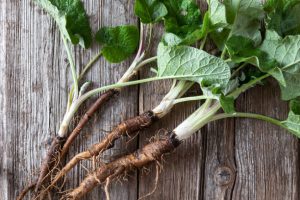
Fresh burdock roots on a table, top view
AntiOxidant properties are essential for life production and Junglelifeherbs.com wins by turning you into a winner when you use our teas and supplements containing Burdock root.
Additionally, clinical and experimental data suggest anti-inflammatory benefits. For example, burdock root consumption has been associated with reduced inflammatory markers in individuals with osteoarthritis, indicating potential for managing chronic inflammation. ()